What to Expect from Basketball Club Teams San Diego Tryouts
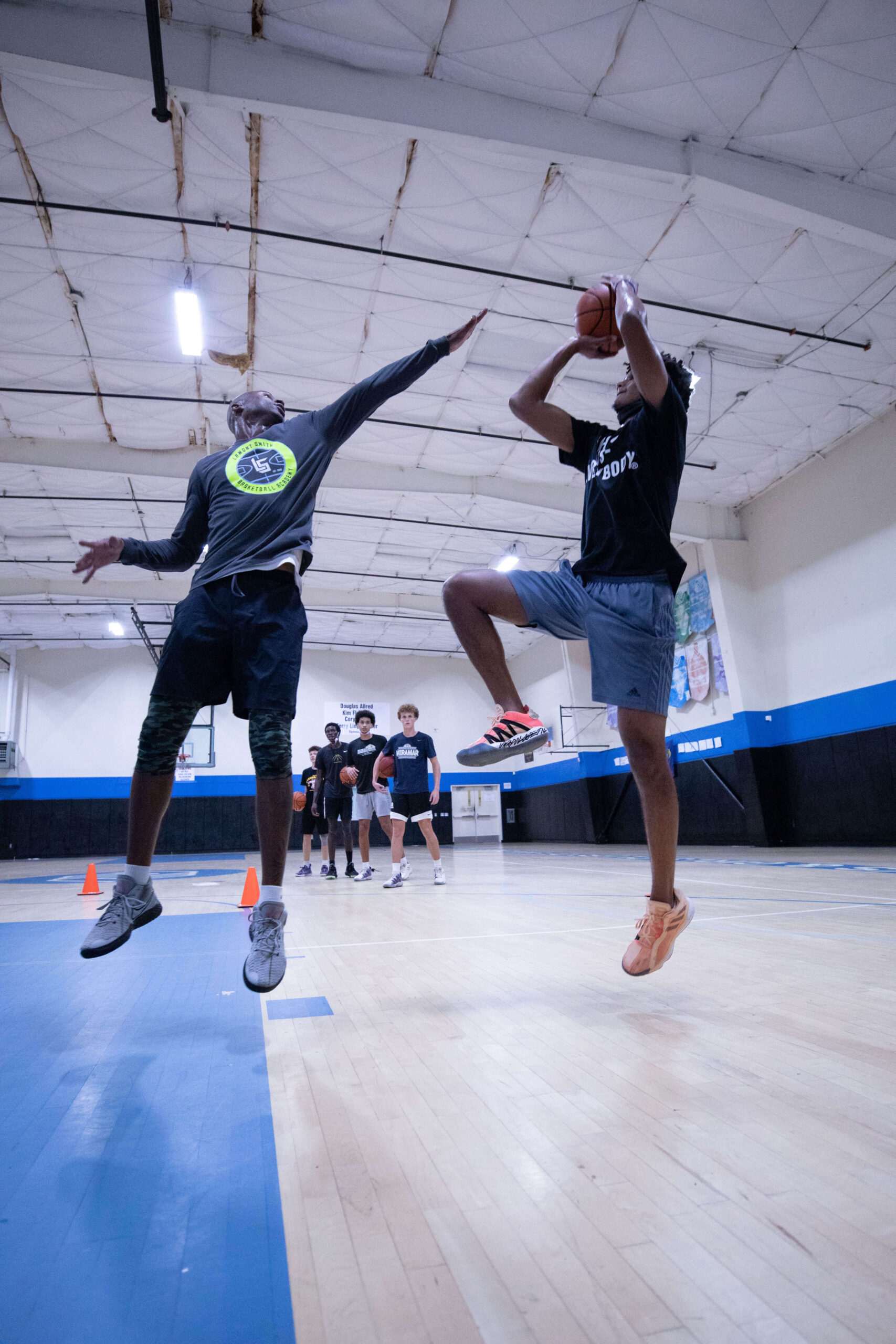
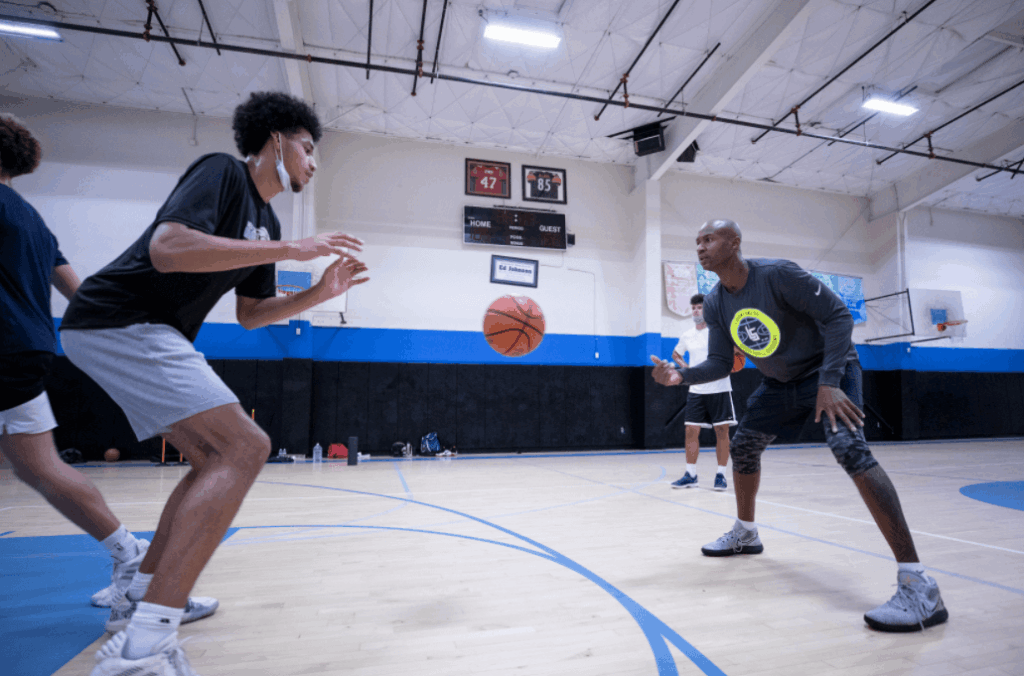
Club basketball tryouts can feel bigger than they look from the bleachers. A player walks into a gym thinking the day is about jump shots and layups, then learns quickly that coaches are evaluating far more than scoring. They are watching body language after a turnover, how a player moves without the ball, whether he or she can absorb instruction in real time, and how that effort holds up after an hour of hard play.
That is especially true with Basketball Club Teams San Diego families tend to consider. The local scene is competitive, busy, and spread across a wide geography. A player might try out in North County one weekend, near central San Diego the next, then head east for another opportunity. Different clubs prioritize different things, but the broad pattern is consistent. Tryouts are rarely just a talent showcase. They are a compressed test of readiness, fit, coachability, and stamina.
For parents and players heading into that environment for the first time, it helps to know what usually happens, what coaches are actually measuring, and what can quietly hurt a player’s chances even when the talent is there.
The gym tells you a lot before the whistle blows
You can learn a surprising amount in the first ten minutes of a tryout, before formal drills even start. Watch how players arrive. Some come in loose, greet staff, find a basket, and start with a deliberate warm-up. Others drift in, launch deep threes cold, or spend the pre-tryout period checking who else showed up. Coaches notice all of it.
Most club tryouts in San Diego run somewhere between 60 and 120 minutes, depending on age group, turnout, and whether the club is holding a first-round evaluation or a more selective callback. Younger age groups often spend more time in structured drills because coaches need to see fundamentals clearly. Older groups usually move into live action faster because once players reach the middle school and high school years, game feel matters more than a neat layup line.
The setting itself can vary. Some clubs run polished sessions with check-in tables, numbered pinnies, and a posted itinerary. Others operate with a more old-school AAU feel, where the organization is looser but the basketball standard is still high. Neither format guarantees quality. I have seen very organized tryouts with shallow teaching and scrappier sessions that revealed players beautifully because the coach knew exactly what to watch.
That is one of the first things families should understand. A tryout is not always designed to feel comfortable. Good evaluators sometimes create a little chaos on purpose. They want to see which players stay composed when the pace rises and the instructions come quickly.
What coaches are really evaluating
Parents often ask whether a player needs to score a lot to make a club team. Usually, no. Scoring helps, of course, but at most https://franciscobern001.iamarrows.com/top-basketball-club-teams-in-san-diego-to-watch-this-season tryouts it is only one piece of the picture, and often not the biggest one.
Coaches are usually building a roster, not selecting an all-star team from a one-day hot streak. That means they are looking for players who fill needs and make lineups function. A player who defends hard, communicates, rebounds, and makes the extra pass may be more valuable than a player who gets buckets but stalls the offense.
At a typical tryout, coaches are quietly sorting players into categories. Some are obvious lead guards. Some are wings who can defend multiple spots. Some are developing bigs with size and timing but raw footwork. Others may not dominate any one drill yet, but they compete every possession and make smart reads. Those players often stick in a coach’s mind.
The traits that tend to carry the most weight are fairly consistent.
First comes motor. Not fake hustle for a single possession, real repeat effort. Coaches know the difference immediately. If a player sprints back on defense after making a mistake, crashes the glass, and keeps moving on offense, that effort travels. It will matter in tournaments when legs are tired and games stack up.
Second is coachability. This shows up in small moments. A coach stops a drill and corrects spacing. Does the player nod and apply it on the next rep, or hear it as background noise? A talented player who resists correction can be a hard sell. A less polished player who learns fast often earns patience.
Third is decision-making. Club coaches are wary of players who look impressive in isolation but force the game. They want to see whether a guard can get the team organized, whether a wing cuts when overplayed, whether a post catches and makes a clean read instead of bringing the ball low into traffic. High-level club basketball moves quickly, and indecision gets exposed.
Fourth is defense. A player who cannot stay in front, close out under control, or rotate with awareness may struggle, even with offensive talent. Defense is also where effort and discipline become visible. Plenty of players can score in an open gym. Fewer can defend for multiple possessions without taking mental breaks.
Finally, there is fit. This is the least talked about part of tryouts and one of the most important. Coaches are not choosing players in a vacuum. They are imagining combinations. Can this guard share the floor with another ballhandler? Does this forward rebound well enough to play next to a stretch big? Will this player accept a role if the roster already has a primary scorer? A player can be good and still not be the right fit for a specific team.
How tryouts usually unfold
While every club has its own style, most sessions follow a familiar rhythm. Players check in, warm up, and move through skill work that is designed less to train and more to reveal habits. Ball-handling under pressure, finishing through contact, shooting off movement, defensive slides, closeouts, and transition drills all show different things.
Then the gym usually gets more competitive. Coaches want to see players in conditions that resemble actual games. That might mean three-on-three in tight spaces, advantage drills such as three-on-two into two-on-one, or straight five-on-five scrimmaging. Sometimes a coach will keep teams rotating rapidly to create fatigue. Sometimes the coach leaves a lineup on the floor for several minutes to see whether a player can settle into a role.
The live segments matter most. A player can look sharp in lines and disappear in real basketball. Another may seem ordinary in technical drills and then become indispensable once play starts because he or she reads the floor, communicates early, and makes winning plays.
One thing many families underestimate is how little time there may be to recover from a poor first impression. If a gym has 30 to 50 players competing for limited spots, coaches may only get a handful of meaningful possessions to form an opinion. That does not mean one mistake ends the day, but it does mean a player needs to arrive ready rather than expect a slow ramp-up.
Skill matters, but pace and poise matter just as much
San Diego club basketball tends to attract a wide mix of athletes. Some come from strong school programs. Some train year-round. Some are late bloomers with upside but less polish. The players who stand out at tryouts are often not the flashiest. They are the ones who can function at pace.
That means catching cleanly, making a quick decision, and staying balanced under pressure. A guard who can enter the ball, relocate, defend the point of attack, and keep turnovers low will get attention. A wing who cuts hard, hits the open jumper, and rebounds in traffic will get attention. A post who screens with purpose, runs the floor, and finishes simple plays will get attention.
Poise is especially important when a tryout gets messy. Maybe there are too many players on one court. Maybe the spacing is cramped. Maybe the teams are uneven. Players who complain, sulk, or start hunting shots because they feel overlooked usually hurt themselves. Coaches have seen that response many times. What they value more is the player who adapts, competes, and finds ways to impact the game anyway.
I remember watching a tryout years ago where one guard was clearly the best scorer in the gym during warm-ups. Deep range, quick handle, confident body language. Once scrimmages started, he dribbled into crowds and argued after no-calls. Another guard, less flashy, organized teammates, defended the best perimeter player, and made simple reads possession after possession. The second guard got the stronger role because the coach trusted him. That pattern repeats constantly in club basketball.
What age group changes the evaluation
Expectations at tryouts should look different for a ten-year-old than for a fifteen-year-old. Yet many families judge both through the same lens.
At younger ages, clubs often emphasize coordination, effort, listening, and basic technique. A player does not need a finished game. Coaches may be willing to invest in raw athletes who move well, compete, and show a feel for the sport. The child who can pivot, stop under control, and follow instruction often has a better long-term profile than the one who dominates because he matured early physically.
By middle school, the evaluation sharpens. Ball security, passing reads, defensive stance, and shooting mechanics start to matter more because coaches know the game speeds up quickly from there. This is often where players get sorted by position more clearly, though versatile players always have value.
By high school age, tryouts become more direct. Coaches want players who can help in tournament settings, where games may come in bunches over a weekend and competition levels can swing sharply. At that stage, athleticism, toughness, role acceptance, and game IQ carry substantial weight. If a player hopes club basketball will support school ball opportunities or future recruiting exposure, then consistency becomes essential. One nice sequence is not enough. Coaches want dependable habits.
Parents have a bigger effect than they think
Even when coaches say they are evaluating players only, adults around the process matter. Staff members notice how families communicate, how they handle scheduling questions, and whether they seem realistic about roles and development.
That does not mean parents need to be silent or detached. Good communication is appropriate, especially when asking about logistics, fees, team philosophy, travel, or expectations around playing time. But there is a difference between informed questions and pressure. A parent who corners a coach right after a tryout to make a case for his child rarely helps.
The stronger approach is steadier. Let the player own the workout. Handle details professionally. If there is a conversation later, ask useful questions. What style does the team play? How many tournaments are expected? How does the coach approach development versus wins? Is roster size typically 8, 10, or 12? Those are practical questions that affect the family experience over months, not just one afternoon.
Traffic and distance are also real factors in San Diego. A team that looks perfect on paper can become a grind if practices require crossing the county multiple times a week. Families should think honestly about commute, school demands, and recovery time. A slightly less prominent team that fits the family schedule and gives the player meaningful reps can be the better choice.
Common mistakes that hurt players at tryouts
Some tryout mistakes are obvious, like showing up late or out of shape. Others are subtle and happen even to talented players.
One frequent problem is trying to prove too much, too fast. A player gets only a few touches early and decides every touch now has to become a highlight. That usually leads to rushed shots, forced drives, and missed reads. Coaches would rather see a player settle the game down, make the right pass, and let moments come naturally.
Another issue is poor communication. Silence can make a player nearly invisible on defense. Calling screens, helping early, and talking through switches signal awareness and leadership. Even younger players who simply talk consistently often distinguish themselves because so many do not.
Then there is body language. Coaches can forgive missed shots. They are less forgiving of pouting, blaming teammates, or checking out mentally after a mistake. The player who gets beat and then sprints to recover often earns more respect than the player who makes a tough bucket and jogs back.
Conditioning is another separator. A lot of players look solid for fifteen minutes. Club coaches are trying to project tournament weekends, not social media clips. If legs go halfway through the session, shooting mechanics flatten, closeouts get lazy, and focus slips. That tells a coach plenty.
What to bring, and what to leave at home
Preparation should be simple and disciplined, not complicated. Players do best when the basics are handled early and there is no last-minute scramble.
- Bring water, a basketball if requested, and both light and dark reversible gear if the club asks for it.
- Wear basketball shoes with enough life left in them to grip well on a dusty gym floor.
- Eat a familiar meal a few hours beforehand, not something heavy or experimental.
- Arrive early enough to check in, stretch, and get mentally settled.
- Leave excuses behind, including complaints about previous teams, refs, or touches.
That last point matters. Coaches hear how players and parents talk before and after sessions. Negativity travels fast in gym culture.
The emotional swing after the tryout
The period after a tryout can be harder than the tryout itself. Players replay mistakes. Parents start comparing notes in the parking lot. Rumors move faster than official communication.
This is where perspective helps. One tryout is a narrow sample. A player might be sick, rusty, or simply in the wrong mix of lineups. A coach might be trying to fill one very specific role. Being offered a spot, or not being offered one, does not define a player’s ceiling.
For players, the best immediate response is honest review. Not self-punishment, review. Did the pace feel manageable? Was the handle secure under pressure? Did fatigue become a factor? Was there hesitation on open shots? Those answers are useful because they point directly to work that matters.
For parents, the waiting period is a good time to think beyond the emotional high and low. If an offer comes, ask what the roster likely looks like, what the developmental plan is, and whether the commitment fits the family. If an offer does not come, ask whether feedback is available. Some clubs provide specific notes. Some do not. Either way, players usually know more than they think if they reflect honestly.
How to tell whether a club is the right fit
Making a team is not the same as joining the right team. Families sometimes chase the most recognizable name and ignore the daily reality. The better question is not only, “Can my player make this roster?” It is, “Will this environment help my player improve and stay engaged over time?”
A good fit often comes down to a few practical factors.
- The coaching style matches how the player learns, whether that is direct instruction, detailed teaching, or a more competitive sink-or-swim environment.
- The roster has a realistic path to meaningful reps and development, not just a jersey and bench minutes.
- The schedule, travel, and cost align with the family’s actual capacity.
- The team’s priorities, whether development, exposure, or high-level competition, are clear and honest.
- The player leaves practices challenged, not confused or diminished.
That last point matters more than families sometimes realize. Hard coaching is not automatically bad. Plenty of excellent coaches are demanding. But demanding should still include teaching. A player should understand what is expected and what improvement looks like.
San Diego-specific realities worth considering
Basketball Club Teams San Diego families explore often vary not just in competitive level, but in geography, season rhythm, and gym access. This region has strong athletes across many sports, which creates an interesting tension. Some players are all-in on basketball. Others split time with volleyball, baseball, soccer, football, or surfing depending on the season. That affects attendance, roster continuity, and long-term development.
Gym availability can also shape club operations. Some programs have stable facilities and consistent practice slots. Others work around changing rentals, school permits, or shared space. That may not sound important on tryout day, but over a season it matters a lot. Consistent practice environments tend to help younger players especially.
Competition level is another point where honesty matters. A team may describe itself as elite, competitive, or developmental, but those labels can mean different things depending on the club. Ask what tournaments they typically enter and what level of teams they expect to face. There is nothing wrong with a developmental team. In many cases, it is the smarter step. What matters is that the label matches the experience.
The best mindset for players walking in
A strong tryout mindset is neither timid nor desperate. It is composed. The players who do best tend to treat the day like real basketball, not an audition for approval. They compete hard, listen closely, and stay present.
That mindset shows up in practical ways. On offense, make clean cuts, strong stops, and quick reads. On defense, guard the ball, talk early, and finish possessions with rebounds. Between reps, look engaged. When coached, respond immediately. If a mistake happens, move on. Coaches trust players who recover well.
Players should also remember that not every useful skill is glamorous. Setting a solid screen, sprinting the lane, tagging the roller, making the extra pass, boxing out, and contesting without fouling are all tryout-winning habits. In club basketball, especially at stronger levels, those details often separate the player who gets remembered from the player who blends in.
There is no perfect tryout. The gym may be crowded. The teams may be uneven. The whistle may not go your way. The cleanest path through it is still the same. Arrive prepared, compete with purpose, and let your habits speak louder than your nerves.
That is usually what the best evaluators are listening for anyway. Not noise, not flash, not one hot stretch. They are looking for the player whose game still makes sense when the gym gets loud.
Lamont Smith Basketball Academy
888 Clairemont Mesa Blvd Suite T-2, San Diego, CA 92123
(619) 639-8778
FAQ About Basketball Club Teams San Diego
How can a player join an LSBA club team?
Players are evaluated during practices so the coaching staff can recommend an appropriate team and development level. Families should contact the academy to confirm current openings and evaluation details.
Are club teams available for newer basketball players?
Yes. LSBA describes multiple levels, including a developmental option for newer players as well as more competitive teams for athletes with prior club experience.
What do LSBA club team practices emphasize?
Practices emphasize basketball fundamentals, team defense, structure, communication, and player development. The specific focus may vary according to the team and experience level.
Do all LSBA teams travel?
Travel expectations vary by level. Some teams focus on local competition, while advanced teams may participate in tournaments elsewhere in Southern California or beyond. Families should confirm the current schedule before enrolling.